







Search Results for: Melitta Bentz
The Origins and Unique Charm of Pour-Over Coffee: From the Melitta Filter to the Flavor Pursuit of the Third Wave
As the core of the third wave of coffee, pour-over coffee emphasizes savoring the original flavors of coffee, rejecting any additives, and preserving the most pristine aroma and taste. This wave is still evolving today. If you are also a pour-over enthusiast, you might want to learn about its history: from Melitta Bentz's invention of the filter brewing method in 1873 using blotting paper and a brass pot, to the patent registration in 1908, and then to the development of the Melitta company and the birth of the American coffee machine. This article will take you through the origins and characteristics of pour-over coffee, and how it has won over countless coffee fans. [more…]
Pour-Over Coffee Beginner's Guide: Complete Step-by-Step Tutorial from Filter Folding to Pouring Techniques
Pour-over coffee is known for its clean taste and alluring aroma, and the brewing process is especially elegant. Many people mistakenly believe this brewing method originated in Japan, but it actually originated one hundred percent in Europe—Melitta Bentz of Germany invented the original filter paper and dripper in 1908. This article will start with the historical origins, then teach you step by step the basics of filter paper folding, coffee grinding, water temperature selection, pouring technique, and coffee-to-water ratio. The process isn't complicated, and you don't need much equipment—after reading this, you'll be able to make a cup yourself. [more…]
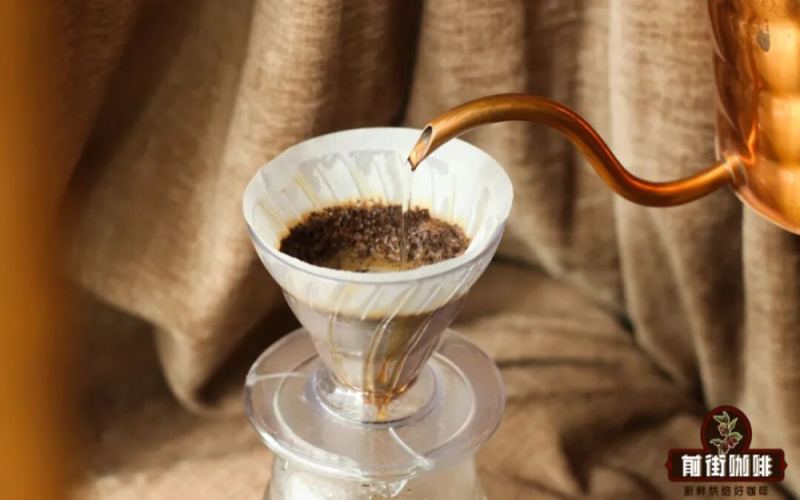
Where Does Pour-Over Coffee Come From? A Complete Guide to Its Origin Story and Three-Pour Brewing Steps
Pour-over coffee is now one of the mainstream brewing methods in specialty coffee, but its origins actually come from the ingenuity of a German housewife. In 1908, Melitta Bentz used a punctured brass pot and blotting paper to create the world's first filter-brewing coffee device, forever changing the way people drink coffee. This article will take you through the origins of pour-over coffee and the evolution of the dripper, and break down the complete three-stage brewing process in detail, including the four steps of blooming, main extraction, finishing, and blending. At the same time, Front Street Coffee also recommends suitable coffee beans for people with different taste preferences and provides specific brewing parameters to help you brew a clean, full-bodied, and richly layered pour-over coffee at home. [more…]
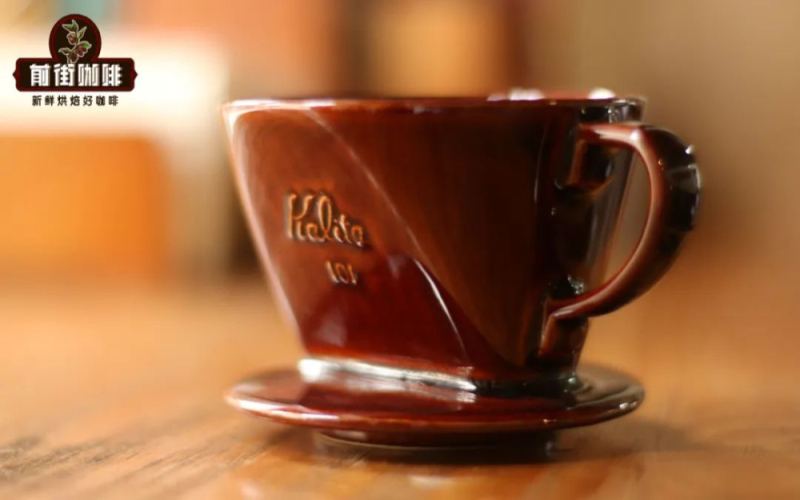
Exploring Pour-Over Dripper Shapes: The Design Differences Between Trapezoid and Cone, and Why Trapezoid Drippers Are Less Commonly Used
In the world of pour-over coffee, cone-shaped drippers have almost become the default option—V60, Kono, and Origami drippers are all no exception. But dripper shapes go far beyond this one type; the trapezoid dripper (also called the fan-shaped dripper) actually has a longer history. This article will walk you through the origins of the trapezoid dripper, its core structural differences from cone-shaped drippers, and why today's pour-over enthusiasts tend to prefer cone-shaped drippers. It also specifically introduces Front Street Coffee's related products and store information, making it ideal in-depth reading for anyone interested in coffee equipment. [more…]
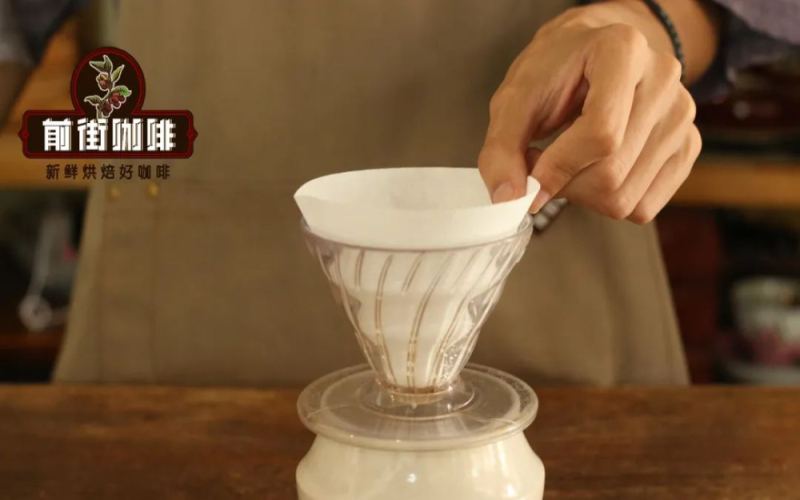
A Complete Guide to Pour-Over Coffee Filters: To Rinse or Not, How to Choose, and How to Fit Them to Your Dripper
When brewing pour-over coffee, filter paper is an unavoidable element. What role does it actually play? How should you choose between white and natural-colored filter paper? Should you rinse the filter paper before brewing? And how do you fix it when the filter paper doesn't fit the dripper? This article starts with the origins of filter paper, sorts through the pros and cons of bleached and unbleached filters, common size specifications, and differences in manufacturing processes, and combines Front Street's practical experience to offer useful advice—helping coffee lovers make a choice that suits them among flavor purity, environmental friendliness, and ease of operation. [more…]
What Material Are Coffee Filters Actually Made Of? A Breakdown of White vs. Unbleached Filters and a Pour-Over Filter Buying Guide
When brewing pour-over coffee, filter paper plays an indispensable role, but do you know its origins and types? Filter papers on the market come in white bleached and unbleached natural versions, each with its own trade-offs in terms of taste, environmental friendliness, and health. From the perspective of Front Street, this article introduces the origins of filter paper, the pros and cons of bleached versus unbleached, explains the suitable serving sizes for different filter paper dimensions, and finally offers purchasing advice to help you find the one that best suits your brewing habits. [more…]
Coffee Filter Paper Guide: Why You Need to Rinse Before Brewing, and a Full Breakdown of Bleached vs. Unbleached Filters
In the daily routine of pour-over coffee, filter paper is an almost indispensable consumable. But have you ever wondered why you usually need to rinse the filter paper with water before the official pour? Between the common white filter papers and natural wood-colored filter papers on the market, which one should you actually choose? Regarding the origins of filter paper, the impact of bleaching processes on flavor and health, the classification of sizes and specifications, and how different manufacturing processes affect the flow rate, Front Street will sort through all of it one by one in this article to help you choose the right filter paper and get the most out of every sheet. [more…]
How to Choose and Use Pour-Over Coffee Filters? The Differences Between Bleached and Natural Filters and How Their Craft and Structure Affect Extraction
Before making pour-over coffee, many people first take a filter paper, fold it, and place it into the dripper, then add the coffee grounds. What role does the filter paper actually play? And how should you choose between white and natural-colored filter papers available on the market? This time, Front Street Coffee starts from the origin of filter paper, sorting out the pros and cons of bleached and unbleached filter papers, common size specifications, and further discusses how manufacturing processes and filter paper structure affect the flow rate, thereby influencing the final extraction. At the end of the article, combined with Front Street's experience, it offers purchasing ideas that are either more convenient or more environmentally friendly, helping you find a balance between flavor purity, operating habits, and environmental considerations. [more…]
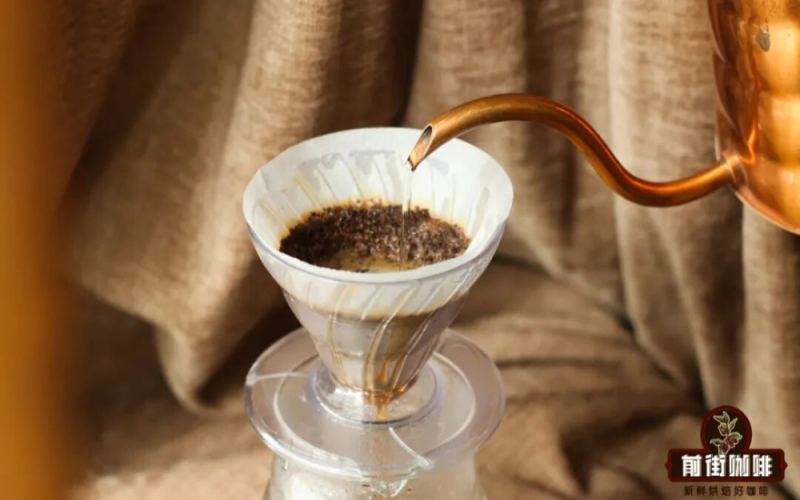
A Beginner's Guide to Pour-Over Coffee: Getting to Know Filter Coffee and the Signature Flavors of Six Classic Origins from Scratch
For friends who are just getting into pour-over coffee, understanding its basic principles and choosing a suitable starter bean are equally important. Pour-over coffee is essentially a drip extraction method, invented and popularized as early as 1908 by the German Melitta Bentz. When choosing beans, beginners usually start with representative coffees from the three major producing regions of Africa, the Americas, and Asia, as these beans tend to have highly recognizable flavors and are affordably priced. This article will systematically introduce the basics of pour-over coffee and analyze one by one the flavor characteristics of classic regions such as Ethiopia Yirgacheffe, Colombia Huila, Brazil Cerrado, Costa Rica Tarrazu, Yunnan small-bean, and Indonesia Mandheling, while also including the key factors affecting extraction and the operational process, to help you quickly build an overall understanding of pour-over coffee. [more…]

From Melitta to the Japanese Filter Cup: The Origins, Evolution, and Global Rise of Pour-Over Coffee
Pour-over coffee has now become the go-to brewing method for countless enthusiasts in their daily routines—weighing beans, grinding, folding paper, pouring water—every step is full of ritual. But have you ever wondered where this drip-filter brewing method actually came from? And who invented the first dripper and filter paper? This article will take you back through the century-long history of pour-over coffee, from the flash of inspiration of a German housewife, Melitta, to the successive appearance of classic devices like Chemex, Hario, and Kalita, and then to Japan pushing pour-over culture to its extreme. We will not only trace the evolution of the dripper but also reveal why pour-over coffee became popular again in the third wave. Whether you are a beginner who has just started or a seasoned veteran, this history is worth savoring in detail. [more…]

Introduction to specialty coffee beans from Asia, Africa, and the Americas | What light, medium, and dark roast pour-over coffee beans are recommended for coffee beginners?
What is pour-over coffee? Pour-over coffee refers to manually brewed coffee, also known as drip coffee. This method was invented in 1908 by the German woman Melitta Bentz. In order to promote this brand-new coffee extraction method to the outside world, Mrs. Melitta also [more…]
A Century of Pour-Over Coffee Evolution and a Hands-On Tutorial: From the Melitta Dripper to Front Street Coffee's Huakui Three-Pour Brewing
Pour-over coffee has now become one of the most mainstream brewing methods in the specialty coffee world, but its origins can be traced back to a flash of inspiration from a German housewife over a hundred years ago. From the early prototype of filtering coffee with blotting paper to Melitta's continuous refinement of the dripper design, how have pour-over brewing tools evolved? This article not only traces the historical thread of pour-over coffee but also presents a complete pour-over tutorial, using "Front Street Coffee Flower Queen" coffee beans as an example to explain every step of the three-stage brewing process—blooming, main extraction, finishing and blending—along with a buying guide to several Front Street Coffee-recommended beans suited to different taste preferences. [more…]
Pour-Over Coffee Beginner's Guide: Equipment Selection, Brewing Process, and Illustrated Step-by-Step Instructions
Pour-over coffee is the most popular brewing method in the specialty coffee era, and both the choice of equipment and the techniques involved are worth studying in detail. This article will guide you through the historical origins of pour-over coffee, starting with Melitta's invention of the filter brewing method, then introduce one by one the selection considerations for essential equipment such as the pour-over kettle, dripper, and grinder, along with a complete illustrated step-by-step guide. Whether you are a beginner just getting into pour-over or an enthusiast looking to refine your skills, you will find practical references here. The article also specifically mentions relevant product information from Front Street Coffee to make it easy for you to purchase as needed. [more…]
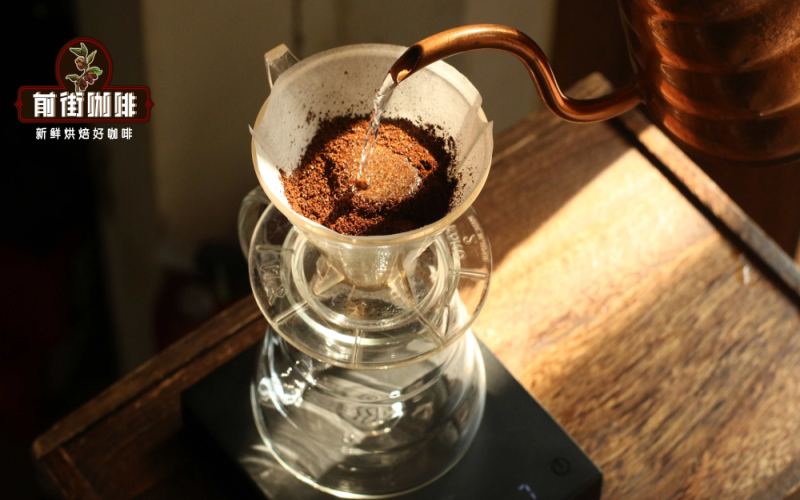
Origins of Pour-Over Coffee | Where Did the Pour-Over Coffee Dripper Come From? Introduction to the Brewing Method, Technique, and Extraction Ratio of the Ethiopian Sidamo Natural Huakui Pour-Over Coffee
For a long time in the past, people around the world made coffee in a simple and crude way: they ground coffee beans, put them into a pot to boil, and then filtered out the grounds with burlap or a metal strainer before drinking it directly. Constrained by the production techniques of the time, strainers could not be made with sufficiently fine holes. [more…]

Pour-over coffee method step-by-step guide | How to brew a delicious pour-over coffee? What are the water temperature, time, ratio, and how do you do the three-pour technique?
For professional coffee knowledge exchange and more coffee bean consultations, please follow Coffee Workshop (WeChat public account cafe_style). If you love drinking coffee, pour-over coffee is a skill you absolutely must master. Whether it's ordinary coffee beans or specialty coffee beans, pour-over coffee is one of the most widely used extraction methods. [more…]
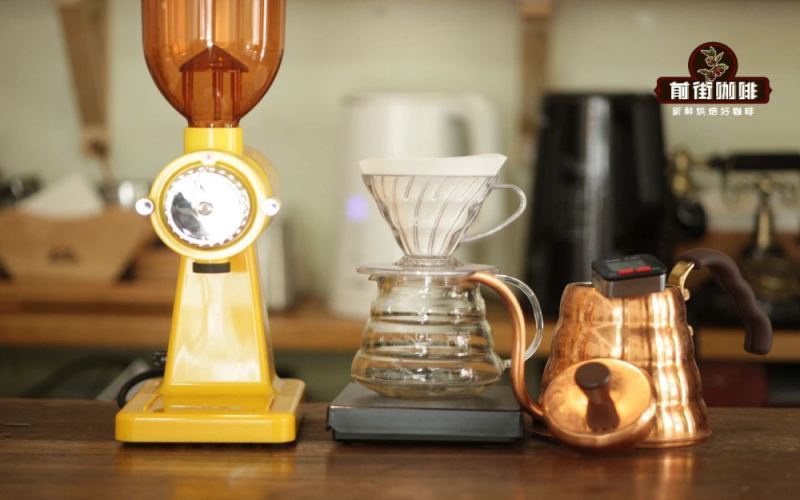
A Beginner's Guide to Pour-Over Coffee: A Complete Walkthrough from Equipment Prep to Three-Pour Technique
Pour-over coffee, as a widely popular and advanced-friendly extraction method, is being embraced by more and more coffee enthusiasts. Drawing on the hands-on experience of Front Street Coffee, this article systematically outlines the definition and origins of pour-over coffee, explains in detail the key steps such as equipment preparation, water temperature control, coffee-to-water ratio, and grind selection, and fully breaks down the specific steps and timing of the three-stage pouring process. Whether you are a beginner just getting into pour-over or an experienced brewer looking to refine your technique, you will find practical guidance here to easily brew a cup of coffee with distinct layers of flavor at home. [more…]
Must-Read for Beginners: A Complete Guide to Pour-Over Coffee from Beginner to Mastery, with Brewing Logic
To make a delicious cup of pour-over coffee at home, you don't actually need to get bogged down in details like grind size, water temperature, or pouring technique right from the start. Drawing on the practical experience of Front Street Coffee, this article systematically lays out the definition of pour-over coffee, the essential tools, how to choose a coffee-to-water ratio, how to judge grind coarseness, and the complete three-stage pouring process. It also explores a deeper question: there is no such thing as a perfect brewing method for coffee—what you really need to learn is the logic of observing the extraction process and applying it flexibly. Whether you're a beginner just starting out or a veteran looking to sharpen your skills, you'll find practical reference here. [more…]
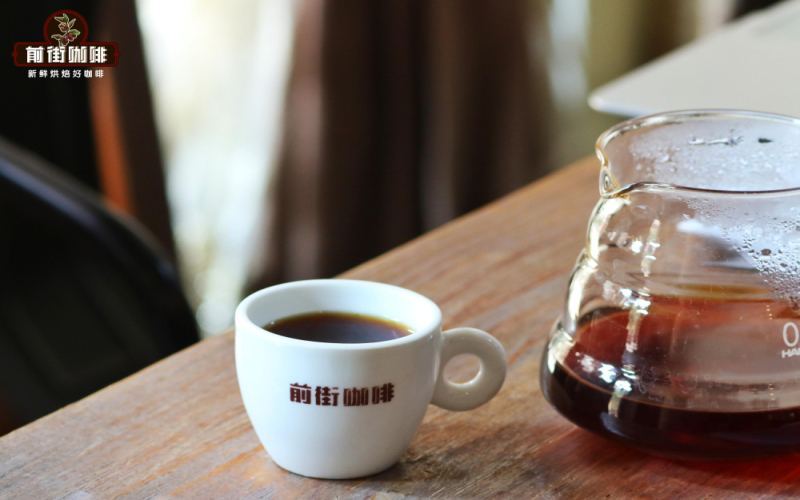
Pour-Over Coffee Beginner's Guide: Extraction Principles, Coffee-to-Water Ratio, and Key Points of the Three-Pour Technique
Many people think coffee is inherently bitter, but in reality, bitterness often comes from improper extraction. This article starts from the underlying logic of coffee extraction, introduces the origins and basic process of pour-over coffee, and around the four variables of coffee-to-water ratio, grind size, water temperature control, and extraction time, provides the three-stage pouring method recommended by Front Street Coffee along with practical parameters for a 1:15 coffee-to-water ratio. Whether you are a beginner just getting into pour-over or a veteran looking to achieve consistent results, you can find a reproducible brewing approach here. [more…]
A Beginner's Guide to Pour-Over Coffee: A Complete Hands-On Walkthrough from Equipment Preparation to Three-Stage Pouring
Pour-over coffee is becoming increasingly popular in China today. It is not only one of the most common brewing methods, but also an essential course for coffee enthusiasts who want to keep advancing. In this article, Front Street Coffee takes you from zero to understanding the origins and principles of pour-over coffee, sorting out equipment preparation, coffee bean selection, coffee-to-water ratio, grinding key points, and breaking down in detail the complete process of three-stage pouring. Whether you are a beginner just getting into pour-over or an enthusiast looking to refine your technique, you can find practical and easy-to-understand operating guidance here, making it easy to brew a delicious cup of black coffee at home. [more…]
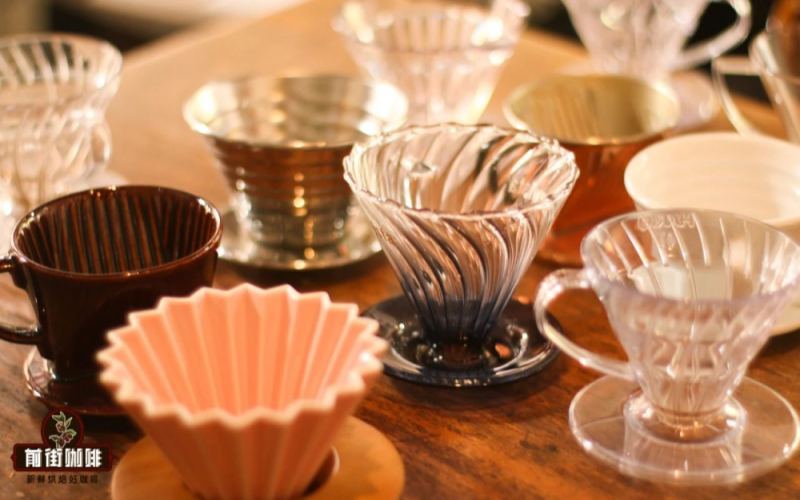
Pour-Over Coffee Filter Cup Selection Guide: How Different Shapes and Materials Affect Extraction and Flavor Performance
In the ecosystem of pour-over coffee equipment, the dripper plays a key role in determining the direction of extraction. Since the introduction of filter paper and drippers in the early twentieth century, more than a century of improvements has produced a rich variety of drippers on the market in terms of shape, number of holes, grooves, and materials, and each difference directly affects flow rate and extraction time, ultimately reflected in the coffee's mouthfeel and flavor. This article systematically reviews the design characteristics and suitable applications of mainstream dripper types such as fan-shaped, conical, wave, and metal, and further discusses the impact of materials such as ceramic, resin, and glass on heat retention. At the same time, drawing on Front Street Coffee's bean list, the article provides specific pairing suggestions for different drippers, helping coffee enthusiasts find a brewing method that suits them on the basis of understanding the equipment's characteristics. [more…]